Field notes
How to fish a fall olive hatch
Gray afternoons, tiny mayflies and long leaders. A simple plan for Blue-Winged Olives.
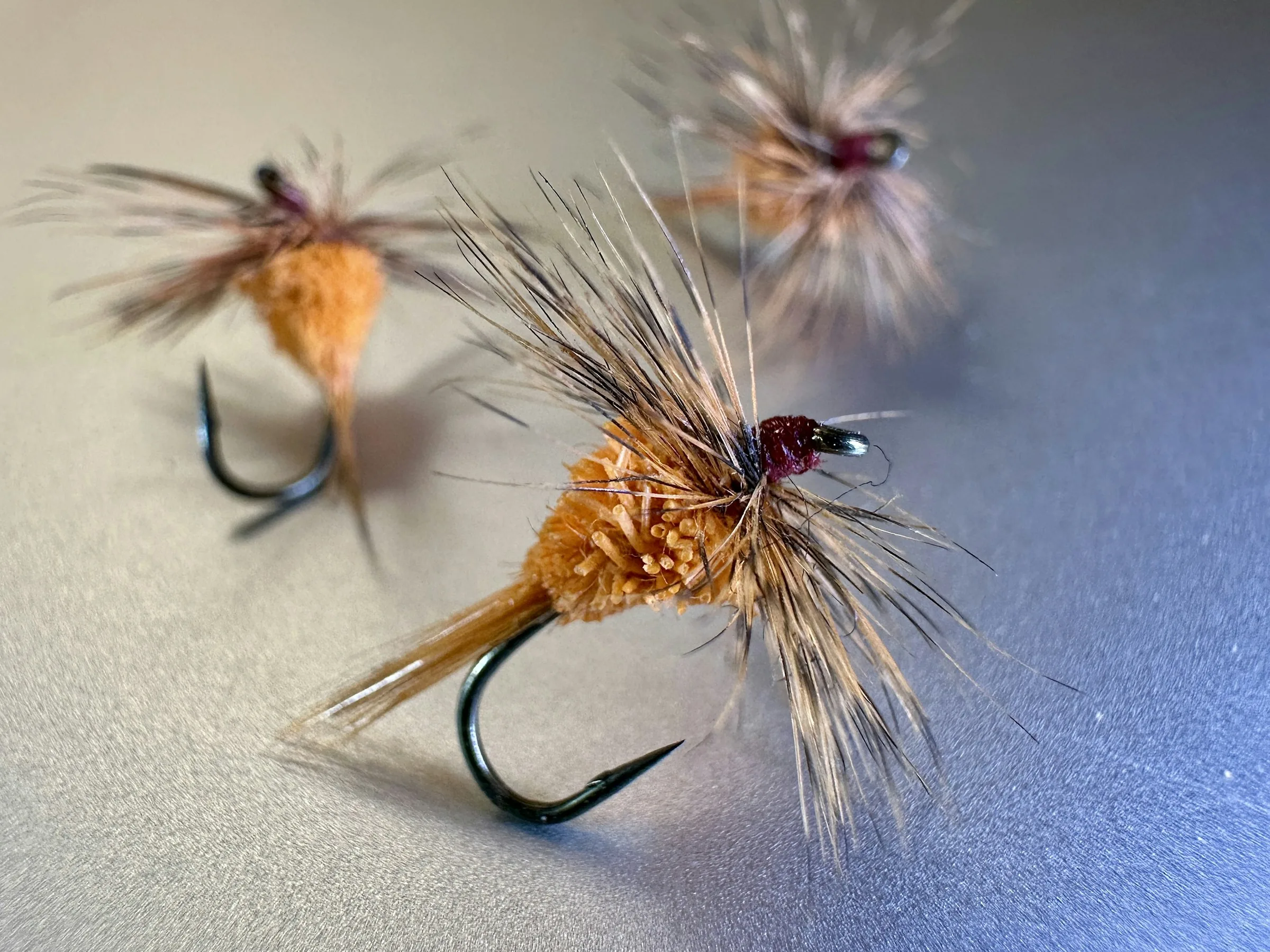
Blue-Winged Olives are the small, gray-winged mayflies that hatch on Colorado rivers in spring and again in fall. They're often called BWOs or baetis. When the leaves turn and the afternoons go gray, they can bring every trout in a run to the surface. They're also small, picky and easy to get wrong. Here's how we approach them.
When and where
Olives like bad weather. Cool, overcast or drizzly afternoons are best, and a hatch can last minutes or hours. On sunny days look for them in shaded water or late in the day. Fish rise to them in soft water: seams next to faster current, the inside edge of a bend, and the slow tailout at the bottom of a run.
The flies
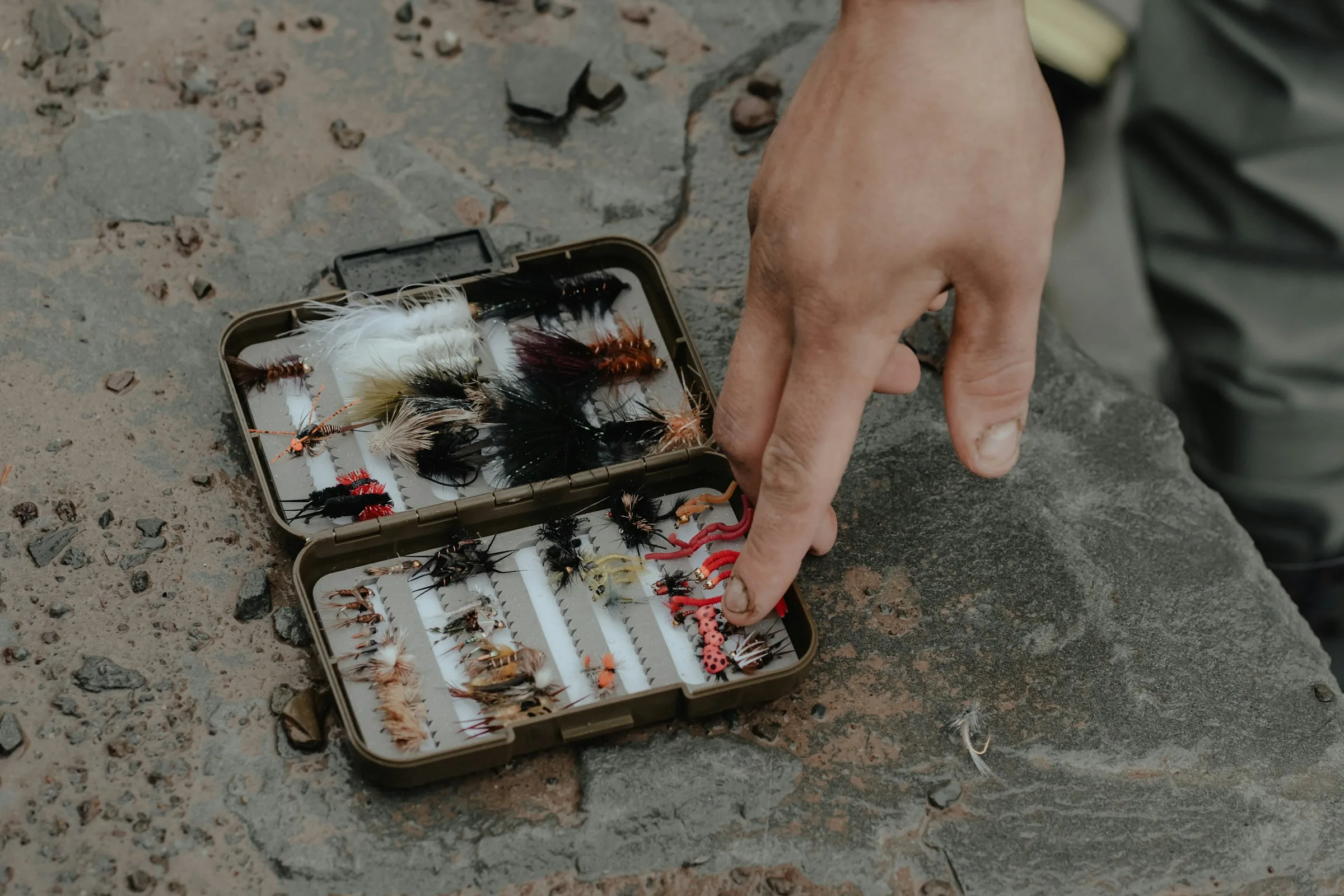
- Dry: a small olive or gray parachute or sparkle dun, size 18 to 22. Match the size before the color.
- Emerger: when fish are bulging just under the surface without breaking it, they're eating emergers. Fish a small emerger in the film or just below.
- Nymph: before the hatch starts, a slim pheasant tail or small olive nymph, size 18 to 20, near the bottom.
The rig
Use a 9 to 12 foot leader down to 6X, and fluorocarbon for the last section if you're fishing a dropper. Before fish start rising, run a small nymph under an indicator, or under a dry as a dry-dropper. When noses start showing, switch to a single dry or a dry with a tiny emerger 18 inches behind it.
The presentation
Drag is the problem, not the fly. Position yourself up and across from the fish and present the fly downstream, so it reaches the trout before the leader does. A reach cast or a mend right after the cast buys you a longer drag-free drift. Pick one rising fish and time its rises before you cast, rather than throwing at the whole pod.
If they refuse
Go one size smaller, then lengthen the tippet. If they still turn away, they're probably eating emergers, so drop the dry a few inches into the film or switch to an emerger.